
Lalique does not publish a price breakdown, so this guide looks at what the company says about how its pieces are made. The house dates to Paris in 1888, when René Lalique registered his mark and began making Art Nouveau jewellery.
Skilled hands at Wingen-sur-Moder
Lalique says its main factory in Alsace opened in 1922 and employs about 250 people, including five Meilleurs Ouvriers de France, the title given to master craftsmen. Artisans work largely by hand: molten crystal is gathered, then moulded, pressed or blown, and the cooled piece is cut, sanded and polished to a satin finish.
Heritage techniques
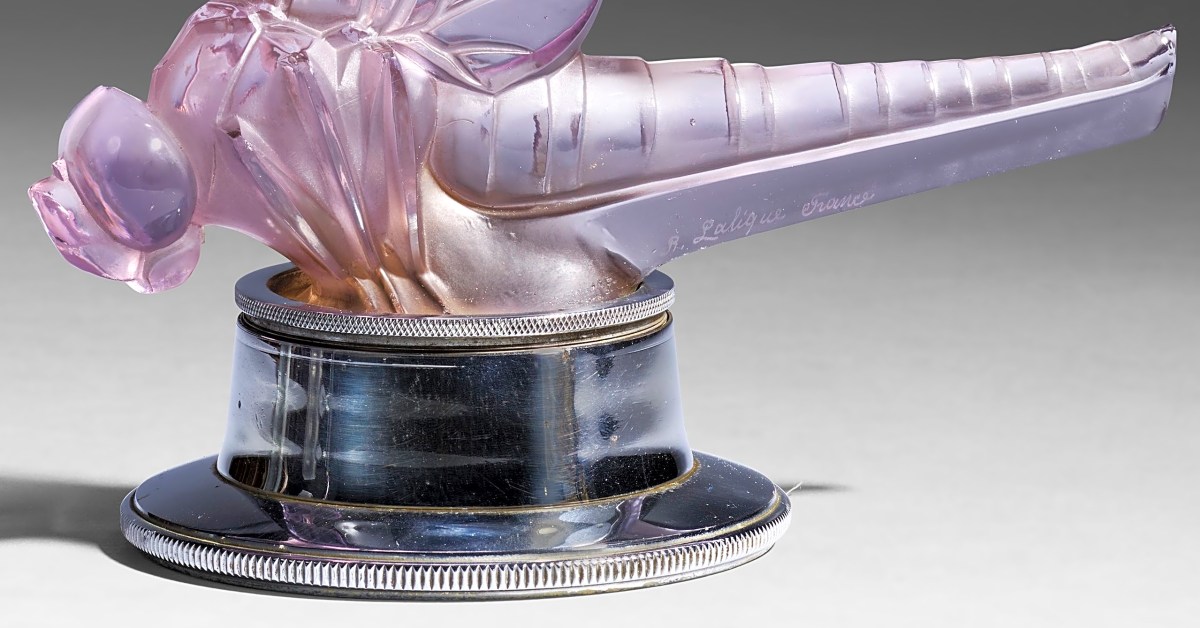
The lost-wax method, used by René until 1930, was revived in 2008 for larger and more artistic pieces. It relies on single-use plaster moulds. Lalique also notes that collectors prize René’s work, with his car mascots commanding high prices at auction. Hand craftsmanship and collectability are the factors the brand itself highlights.
Sources: Lalique: history and know-how
For more beauty and style ideas, browse the shop.