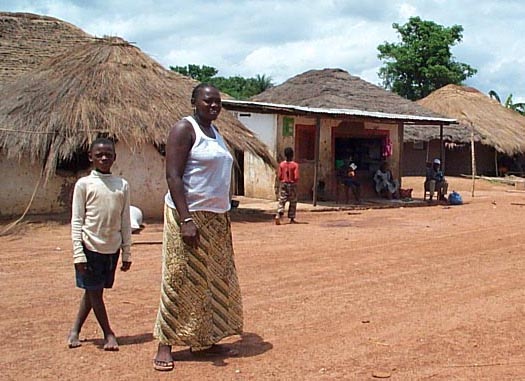
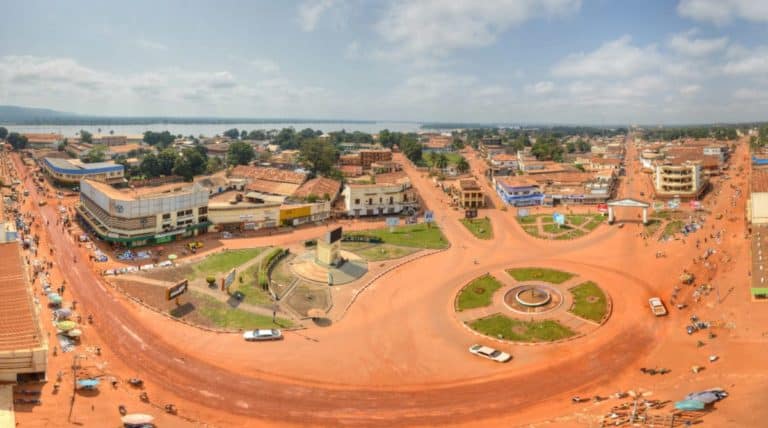
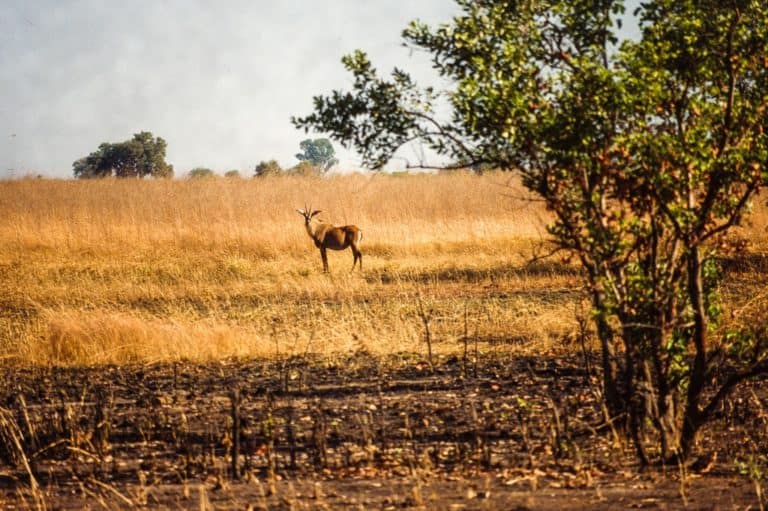
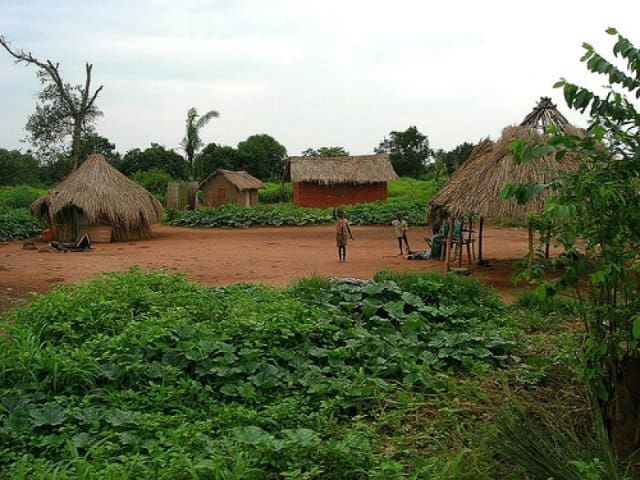
The Central African Republic is a landlocked country in Central Africa. It is bordered by Chad to the North, Sudan to the Northeast, South Sudan to the Southeast, the DR Congo to the South, the Republic of the Congo to the Southwest, and Cameroon to the West.

The Central African Republic is around 620,000 square kilometers in size. It had a population of roughly 4.7 million people in 2018. The Central African Republic has been in the midst of a civil war since 2012.

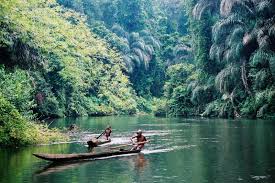
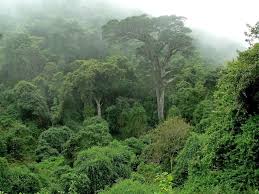
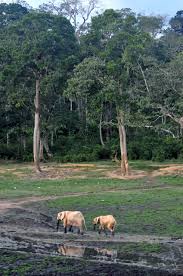
The Sudano-Guinean savannas cover the majority of the Central African Republic, although there is also a Sahelo-Sudanian zone in the North and an equatorial forest zone in the South.

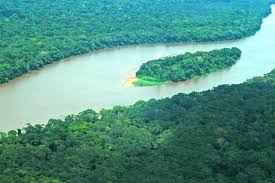
The Ubangi River basin (which flows into the Congo) encompasses two-thirds of the country, while the Chari River basin (which flows into Lake Chad) encompasses the other third.

Despite having significant Mineral Deposits and other Resources such as Uranium reserves, Crude Oil, Gold, Diamonds, Cobalt, Lumber, and Hydropower, as well as large amounts of arable land, the Central African Republic is one of the world’s ten poorest countries, with the lowest GDP per capita at purchasing power parity in 2017. According to the Human Development Index (HDI), the country ranked 188th out of 189 countries in terms of human development in 2019.

In the country, an estimated 80.3 percent of the population is Christian (51.4 percent Protestant and 28.9 percent Roman Catholic), 10 percent is Muslim, 4.5 percent belongs to other religious groups, and 5.5 percent has no religious affiliations.

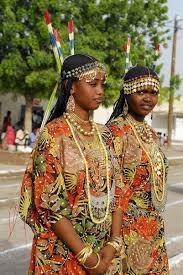
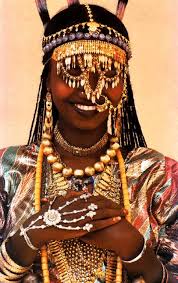
Over 80 Ethnic Groups make up the Country, each with its Unique Language. Baggara Arabs, Baka, Banda, Bayaka, Fula, Gbaya, Kara, Kresh, Mbaka, Mandja, Ngbandi, Sara, Vidiri, Wodaabe, Yakoma, Yulu, and Zande are the biggest ethnic groupings, with others including Europeans of mostly French heritage.

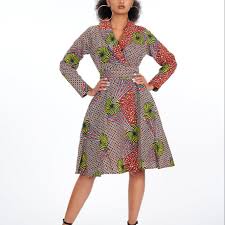
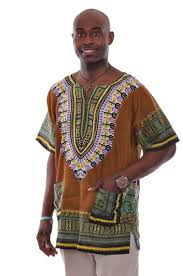
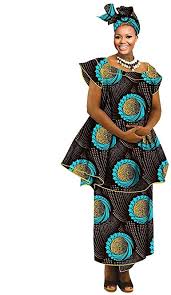
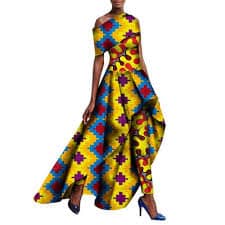
TRENDING FASHION IN CENTRAL AFRICAN REPUBLIC

alibaba
unsplash
dupsies
amazon
afrinspiration
aliexpress
ideventos
afrikrea
facebook
hackingafrica

ACCESSORIES IN CENTRAL AFRICAN REPUBLIC

vrai
facebook
gwenlafleur
alibaba
bulgari
ebay
dallot
alighieri
vrai
africanancestry
britannica
gatluaks
gemsociety
aliexpress
gatluaks
oec
gatluaks
researchgate
alibaba
africanartmuseum
metmuseum
pinterest

TRIBES IN CENTRAL AFRICAN REPUBLIC AND THEIR FASHION

The Baggara people

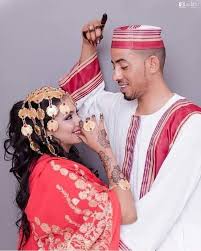
Baggara refers to the cattle-herding Arab tribes of West Africa. They can be found in Sudan, Niger, Chad, Cameroon, Nigeria, and the Central African Republic, from the Lake Chad region eastward to the Nile River. They inhabit a hot, semi-arid climate with a variety of habitats ranging from sparse shrub regions to woodland grasslands. Baggara tribes are primarily of Arab heritage and speak the Shuwa dialect of Arabic.

quora
pinterest

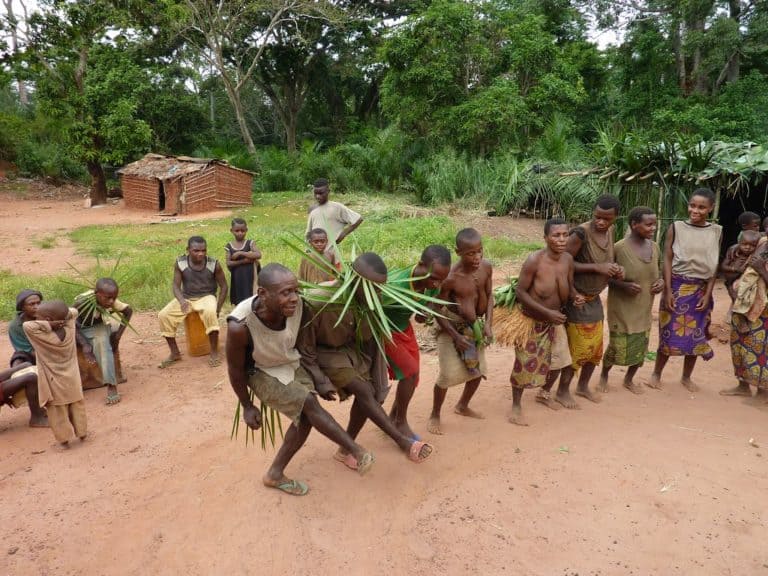
The Baka people

They are also known as Bayaka in the Congo, are an ethnic group that lives in Cameroon’s southeastern rain forests, the northern Congo, northern Gabon, and the southwestern Central African Republic. They are frequently referred to as a Twa subgroup, however the two peoples are not connected. Similarly, the term “Baka” is frequently applied incorrectly to other peoples in the area who, like the Baka and Twa, have been referred to as “pygmies” in the past, a term that is no longer regarded polite.

pinterest
pinterest

TOURIST AND HISTORICAL PLACES IN CENTRAL AFRICAN REPUBLIC

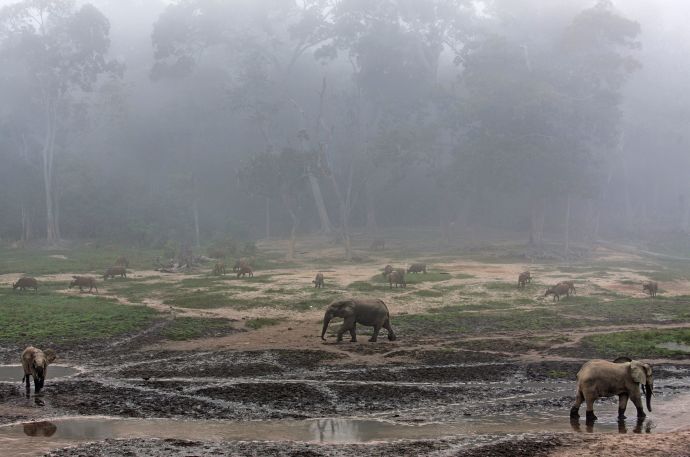
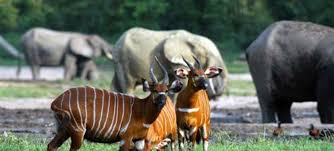
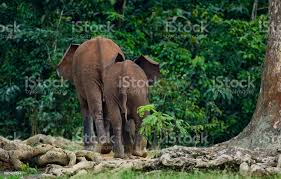
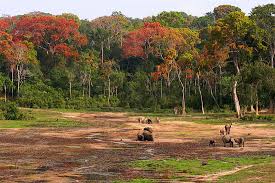
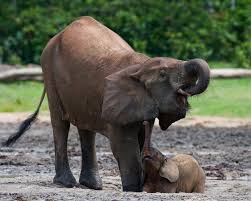
Dzanga-Ndoki National Park – Dzanga-Ndoki National Park was established in 1990 and is located in the country’s south-west. Despite persistent issues with animal poaching, the park remains a fantastic destination to visit, with possibilities to observe elephants and gorillas in their native environments.

newyorker

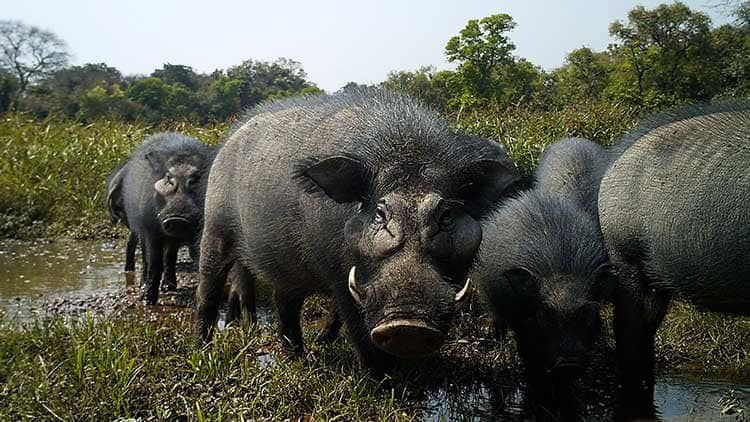
Chinko Nature Reserve – The nature reserve is home to numerous species and is considered one of the world’s most biologically diverse areas. It is currently under attack from armed herders who, in order to preserve their herd, kill any and all predators as they pass through the area.

africanindaba

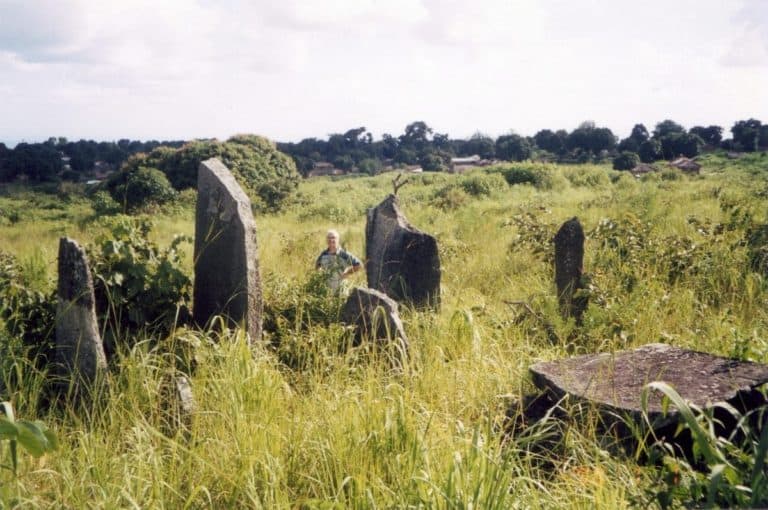
Bouar – Bouar, a little village, is a must-see location. A vast number of stone megaliths known as Tajuna can be found just outside of town. Some are as tall as 5 meters and are said to designate burial locations. The stones are neolithic in age, making them as old as Stonehenge in the United Kingdom, but there is much more to see here. This is a UNSECO World site.

proboards

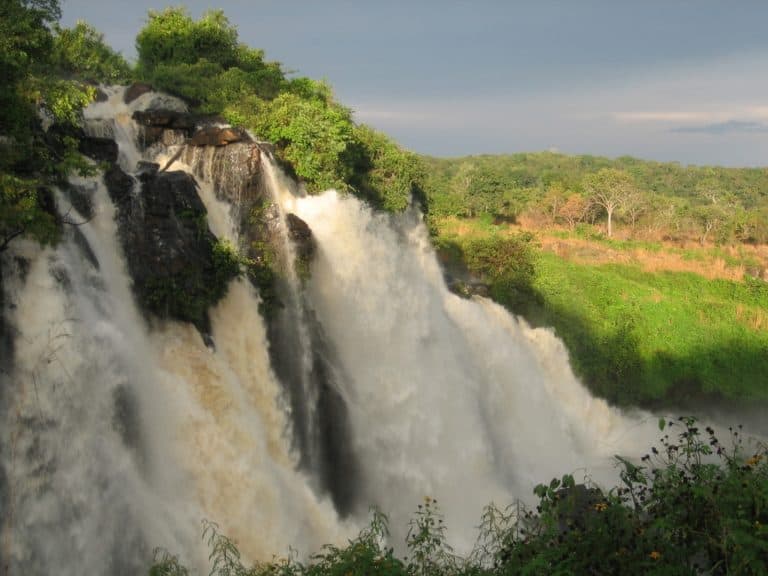
Boali – The neighboring Boali Falls draw most visitors to the small village of Boali. These waterfalls, located just upstream from town, are the Central African Republic’s most well-known landmark.

flickr

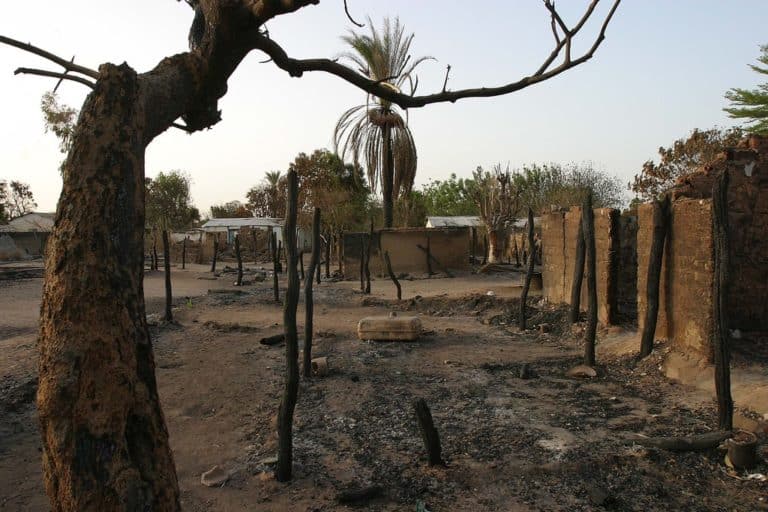
Birao – The city used to have an airport, but it is no longer operational. The city is a good site to get a feel for life in the Central African Republic, and the marketplaces are even more diverse than typical due to the city’s proximity to Chad and Sudan. However, even by national standards, the city is considered dangerous, and visitors should proceed with caution.

wikipedia

Bimbo – The only sex-segregated female prison in the country is located in the city. In the previous ten years, the city’s population has doubled, and the environment is loud and chaotic.

worldcompetes

Berberati – In this tumultuous time, Berberati is arguably one of the safest spots to visit in the country, and it’s a fantastic base for tourists to the surrounding Dzangha-Sanga Nature Reserve.

paxgaea


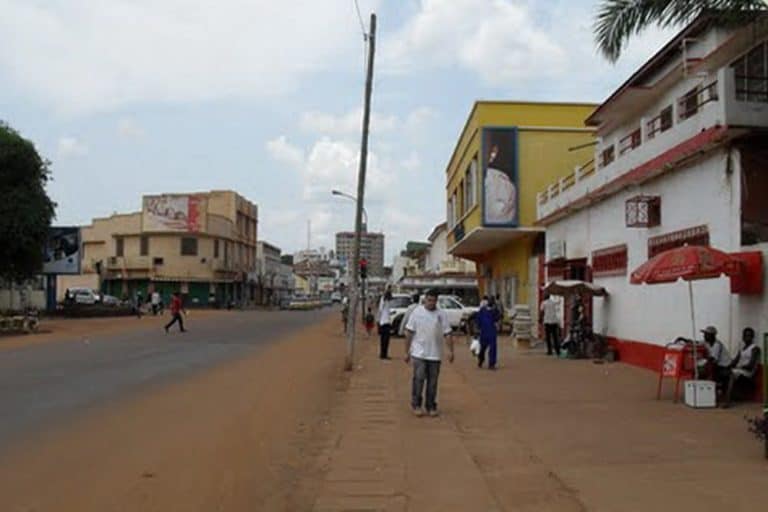
Bangui – Bangui, the capital of the Central African Republic, is located on the Ubangi River. The nightlife and marketplaces here, as in many African cities, are worth seeing.

wikipedia

Bamingui – Bamingui is a hamlet in the north of the Central African Republic, about 250 miles from Bangui, the capital. The village is primarily visited as a base for visits to the adjacent park.

flickr

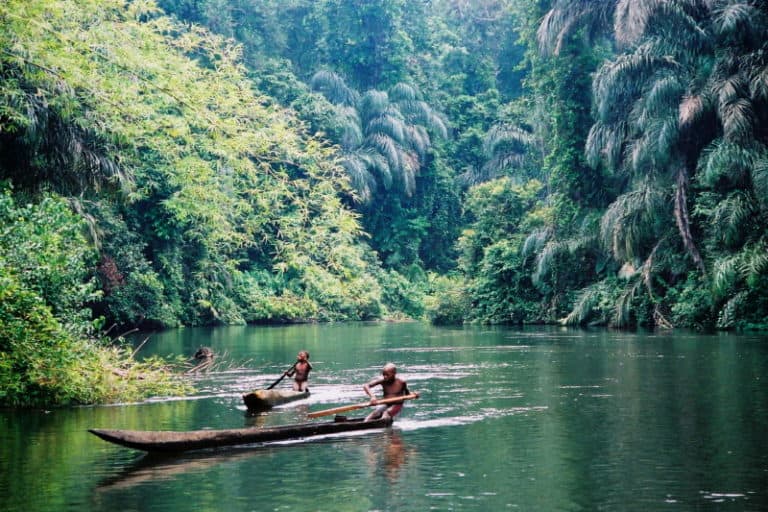
Zinga – The people of the town are cordial and accommodating to visitors, and due to the town’s location on the Ubangi River, the best way to arrive is by canoe or motorboat.

travelmagma

Mbaiki – Mbaiki is located in the Central African Republic’s southwest region, about 80 miles from Bangui, the capital. If you live in the capital and own a car, you will be glad to learn that the road between Bangui and Mbaiki is the greatest in the country.

panoramio

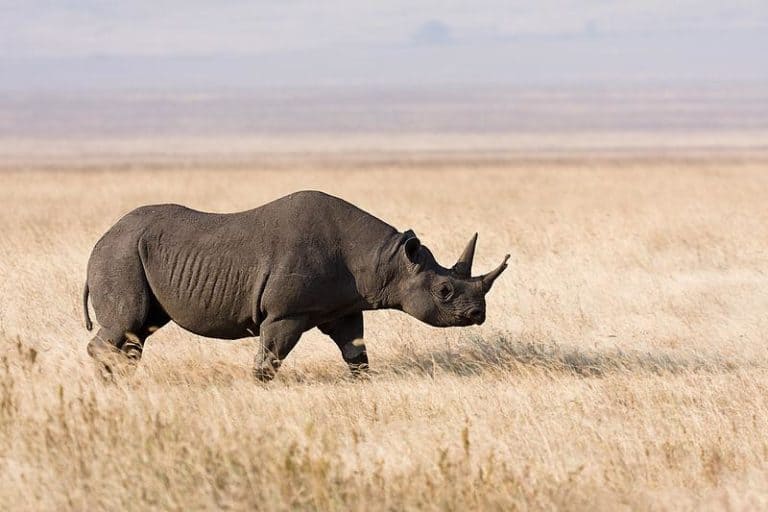
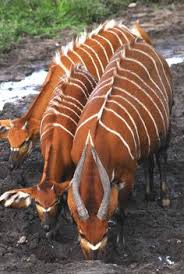
Manovo-Gounda St Floris National Park – one of the best sites to watch animals in the country. The park spans 1.75 million hectares and is home to a diverse range of animals, including the extremely uncommon black rhino.

tripbucket

Lobaye – It’s one of the best spots to see Pygmy tribes people and other indigenous tribes. 

Although the region is only 60 miles from the capital, the lifestyles are very different.

tumblr

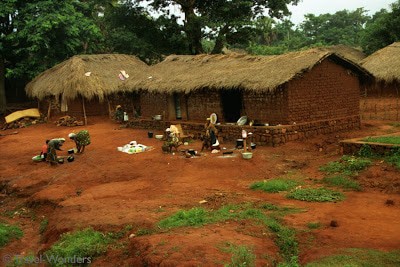
Kembe – Kembe is a traditional African village with thatched roofs and mud brick homes. The Kotto River flows nearby, splitting into two streams to make a stunning v-shaped waterfall.

travel-wonders

MUSIC IN CENTRAL AFRICAN REPUBLIC

The Central African Republic’s music takes on many diverse types. Afrobeat, soukous, and other genres, as well as Western rock and pop music has gained popularity across the country. A popular instrument is the sanza.

The Pygmies have a rich musical heritage. Polyphony and counterpoint, as well as a variable rhythmic structure, are typical features. Due to its jazzy structure, the Bandas’ trumpet-based music has achieved some popularity outside the area. The Ngbaka play a unique instrument known as the mbela, which is composed of an arching branch with a string stretched between the two ends and held in front of the musician’s lips. The mouth is used to amplify and alter the tone when the string is struck. Mbela-like instruments are available.

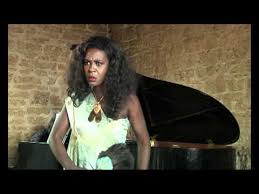
Some musician in Central African Republic include:

Lydie Pace

google

Laetitia Zonzambe

google

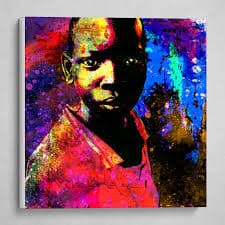
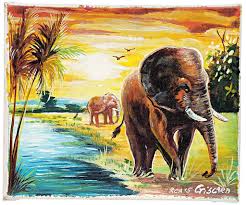
Some art work in Central African Republic include:

pixels
artandculture
fineartamerica
pinterest
theculturetrip
alamy

MEALS IN CENTRAL AFRICAN REPUBLIC

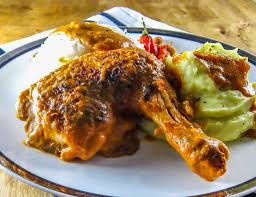
Captaine – smoked fish from Bangui river, taken with chips and sauce.

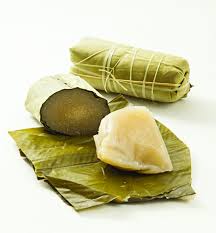
Chikwangue – traditional starch made from the seeds of gourd or pumpkin as well as tomato, onion and chilli.

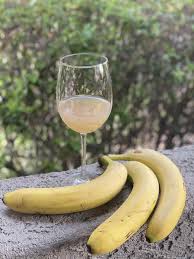
Banana wine – a similarly strong tipple made from bananas.

Palm wine – a potent liquor made from the sap of palm trees.

Chichinga – skewered pieces of barbequed goat meat.

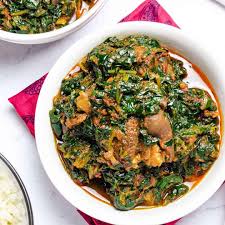
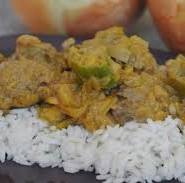
Spinach stew – vegetable stew prepared with spinach, tomatoes, chilli, onions and peanut butter.

Captaine

foodatlas

Chikwangue

foodatlas

Banana wine

foodatlas

Palm wine

foodatlas

Chichinga

foodatlas

Spinach stew

foodatlas

Kanda ti nyma – spicy beef meatballs.

Shrimps – flavoured shrimps eaten with boiled yam or sweet potatoes

Moambe – soup or sauce made from palm butter.

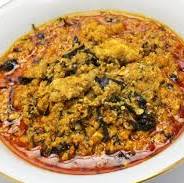
Egusi – sauce made from the seeds of gourd or pumpkin.

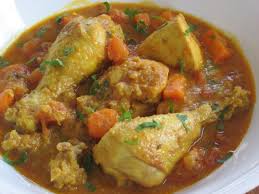
Chicken and cumin stew – chicken stew with additional flavours from onions, tomato and garlic.

Makara – bread made from cassava flour

Kanda ti nyma

foodatlas

Shrimps

foodatlas

Moambe

foodatlas

Egusi

foodatlas

Chicken and cumin stew

foodatlas

Makara

foodatlas

ENVIRONMENTAL CONSERVATION AND HABITAT PROTECTION IN CENTRAL AFRICAN REPUBLIC
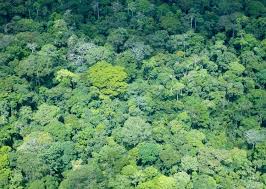
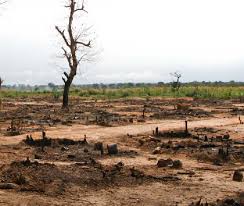
 According to the United Nations Food and Agriculture Organization (FAO), 36.3 percent of the Central African Republic is forested, or roughly 22,605,000 ha. Primary forest, the most biodiverse and carbon-dense type of forest, accounts for 10.5 percent (2,370,000) of the total. There were 2,000 hectares of planted forest in the Central African Republic.

Forest Cover Change: Between 1990 and 2010, the Central African Republic lost an average of 29,900 ha each year, or 0.13 percent. In all, the Central African Republic lost 2.6 percent of its forest cover, or roughly 598,000 acres, between 1990 and 2010.

Living forest biomass in the Central African Republic has 2,861 million metric tons of carbon. Biodiversity and Protected Areas: According to the World Conservation Monitoring Centre, Central African Republic has 1010 species of amphibians, birds, mammals, and reptiles. 1.0 percent are endemic, meaning they can only be found in one country, while 1.5 percent are endangered. There are at least 3602 vascular plant species in Central African Rep, with 2.8 percent of them being endemic. The IUCN categories I-V safeguard 11.8 percent of Central African Rep.

worldatlas
news.un
istockphoto
grida
grida
worldatlas
inbar
newyorker
freepik
pinterest

EFFECT OF CLIMATE CHANGE IN CENTRAL AFRICAN REPUBLIC
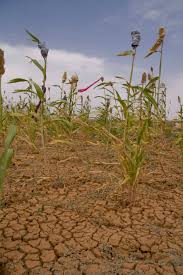
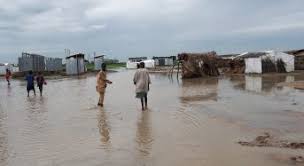
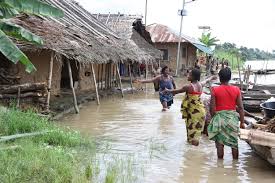
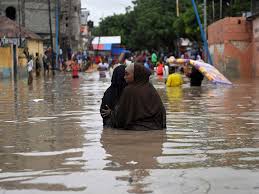
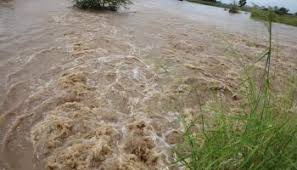
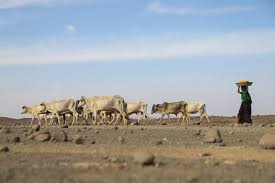
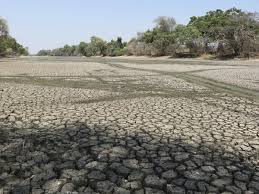
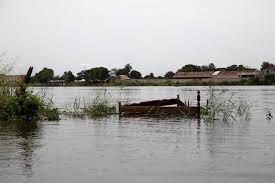
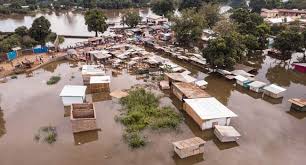
 Central African Republic has a tropical, humid equatorial climate in the south and a Sahelo-Sudanian climate in the north. The country experiences hot, dry winters and mild to hot, wet summers (June to August). Only the northernmost part of the country, near the borders to Chad and Sudan, have a hot semi-arid climate. Central African Republic is a relatively homogenous territory, which receives abundant rainfall. Across the country, annual average temperatures range from 23°C in the south to 26°C in the north. The country’s altitude does play a role in temperature variation. Highest temperatures are typically observed in March and the lowest in July during the rainy season. Two high pressure zones are responsible for the alternation between rainy and dry seasons in Central African Republic.

ipsnews
reliefweb
floodlist
floodlist
floodlist
aljazeera
reliefweb
fao
floodlist
floodlist

GENDER EQUALITY IN CENTRAL AFRICAN REPUBLIC
Globally, some progress on women’s rights has been achieved. However, work still needs to be done in the Central African Republic to achieve gender equality. 


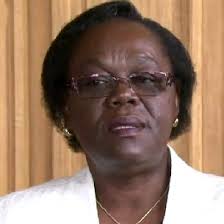
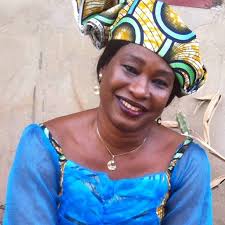
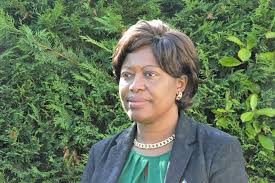
Some prominent women in Central African Republic include:

Hyacinthe Wodobode – Central African Republic politician.

Marie solange Pagonendji-Ndakala – Central African Republic politician who is Minister of Development, Tourism and Crafts.

Antoinette Montaigne – Central African Republic politican and lawyer with expertise in children’s rights.

Leonie Banga-Bothy – Central African Republic politician who served as Minister of Foreign Affairs.

Hyacinthe Wodobode

google

Marie solange Pagonendji-Ndakala

facebook

Antoinette Montaigne

google

Leonie Banga-Bothy

gettyimages

Emilie Beatrice Epaye – Central African Republic politician and educator who served in the Central African Republic National Assembly.

Marie-Noelle Koyara – former government minister of the Central African Republic.

Catherine Samba-Panza – Central African Republic politician who served as interim President of the Central African Republic, and the first woman to hold the post of head of state in the country.

Silvie Baipo-Temon – Central African Republic politician who served as Minister of Foreign Affairs in the Central African Republic.

Emilie Beatrice Epaye

wikipedia

Marie-Noelle Koyara

wikipedia

Catherine Samba-Panza

wikipedia

Silvie Baipo-Temon

wikipedia