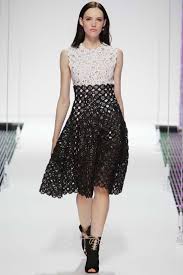
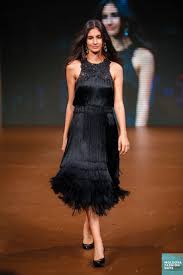
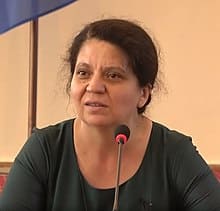
Jag Couture London – New York

Moldova, officially the Republic of Moldova, is a landlocked country in Eastern Europe. It is bordered by Romania to the west and Ukraine to the north, east, and south. The unrecognised state of Transnistria lies across the Dniester river on the country’s eastern border with Ukraine. Moldova’s capital and largest city is Chișinău.

After the fall of the Soviet Union, industrial and agricultural output declined, which led to a rise in the service sector, which now accounts for more than 60% of Moldova’s GDP. According to GDP per capita, Moldova is the second-poorest nation in Europe. It is ranked 80th in the world and has the third-lowest Human Development Index in all of Europe.

A president serves as the head of state and the prime minister as the head of government in the parliamentary republic of Moldova. It belongs to the Commonwealth of Independent States (CIS), the Organization of the Black Sea Economic Cooperation (BSEC), the World Trade Organization (WTO), the Organization for Security and Cooperation in Europe (OSCE), the GUAM Organization for Democracy and Economic Development, and the Association Trio. Since June 2022, Moldova has been a recognized applicant for membership in the European Union.

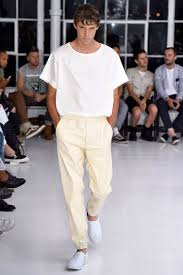
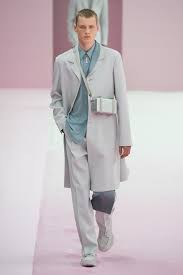
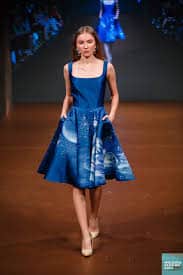
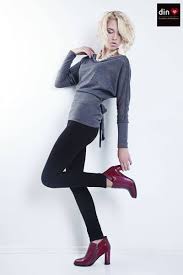
TRENDING FASHION IN MOLDOVA

pinterest
pinterest
vogue
versace
oblanc
oblanc
lookbook
pinterest
wipo
facebook

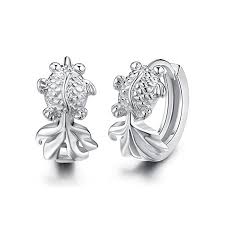
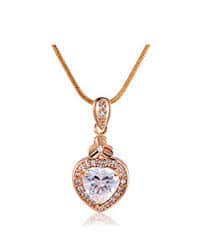
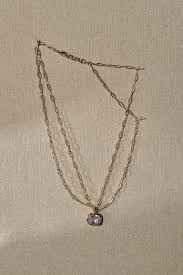
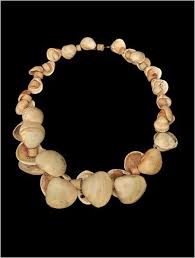
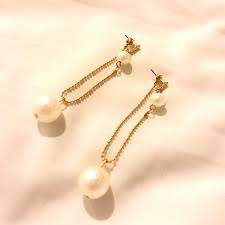
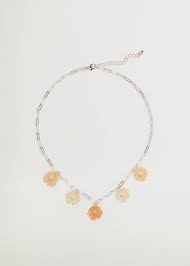
ACCESSORIES IN MOLDOVA

desertcartmoldova
cafepress
flowertomoldova
aliexpress
giftstoindia
moldovajewelry
flowerstomoldova
pinterest
wikipedia
onbuy
dreamstime
walmart
allbiz
zoloto
allbiz
etsy
boiistudios
pinterest
unode50
pyzis
facebook
allbiz
mango
weddingwire

TRIBES IN MOLDOVA AND THEIR FASHION

The Moldovans

As early as 2000 BC, people lived in the region that is now Moldova. Along with the Mongols, numerous other Eastern European ethnic groups have ruled Moldova throughout the centuries.

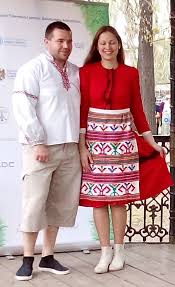
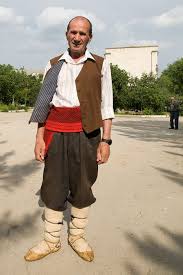
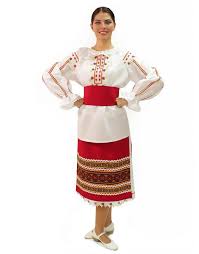
Today, the traditional national dress is only still preserved in museums and a few private family collections. A white embroidered shirt, an embroidered vest with sheepskin trim, and a white skirt with lace at the hem—typically covered by a black embroidered overskirt—make up the traditional attire for women. A white embroidered shirt, a vest similar to that worn by women, white pants, a hat embellished with peacock feathers or flowers, a sheepskin cap, and a wide belt make up the male costume. Opinci, a brand of leather shoes for both men and women, tied on their ankle.


rusclothing
shutterstock
dreamstime
pinterest

The Gagauz

The “ich helme,” or long undershirt, is of course an essential component of the Gagauz women’s clothing. It is worn in a “chukman,” a pinafore garment with no sleeves. An apron then appears. It is a summertime variation. They wear a dress with long sleeves and a heavier fabric in the fall. Additionally, the dresses always had long sleeves, as did the undershirt, and then leather cuffs were added on top of that. They also wear a peplum blouse and matching skirt.

wikimediacommons
topums
pinterest

TOURIST AND HISTORICAL PLACES IN MOLDOVA

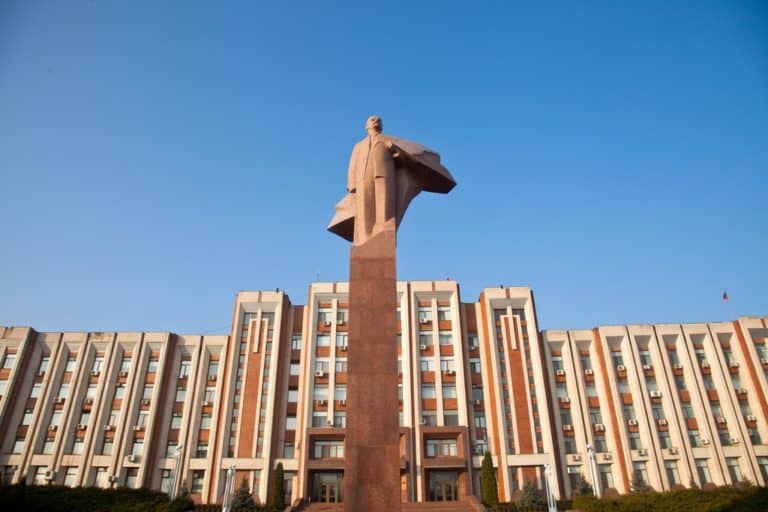
Transdniestr – undoubtedly one of the strangest spots in Eastern Europe is this small patch of land on the Dniestr River. Transdniestr has been proclaimed an autonomous republic by the local authorities. Even yet, it is a republic that is only recognized as being there.

flickr

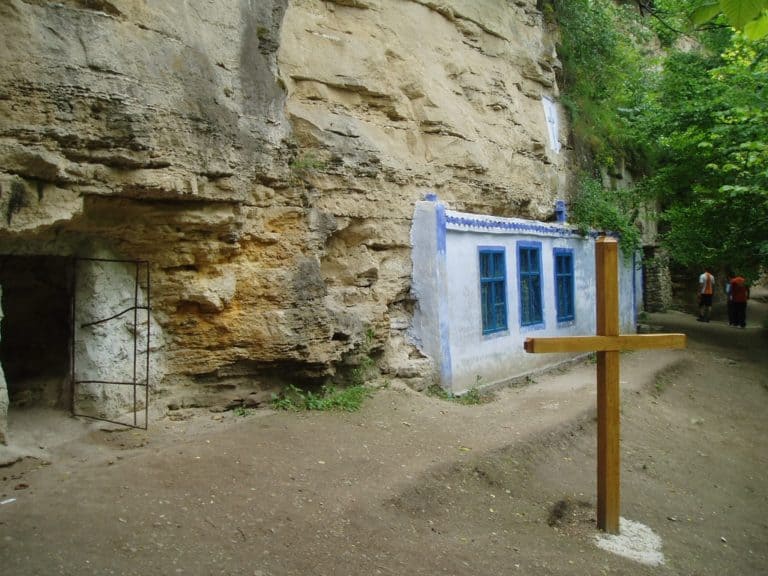
Tipova Monastery – the three main structures that make up Tipova Monastery were excavated from the rocks that line the Dniestr River’s banks. The Church of the Feast of the Holy Cross is the oldest complex (11th century).

shutterstock

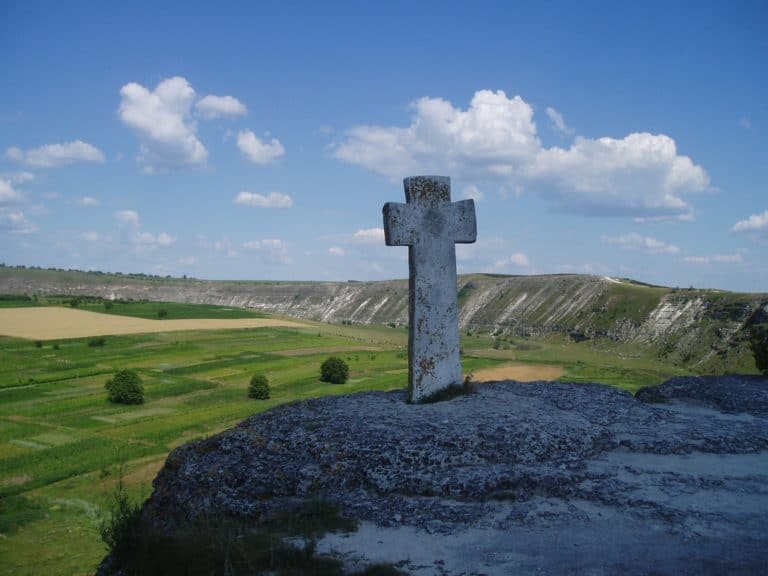
Orheiul Vechi – it is a significant archaeological complex both historically and culturally. It also has breathtaking natural beauty. This open-air complex, which overlooks the Raut River, contains fortresses, baths, caves, ruins, and monasteries—all of which date as recently as the Dacian tribes of 2000 years ago.

flickr

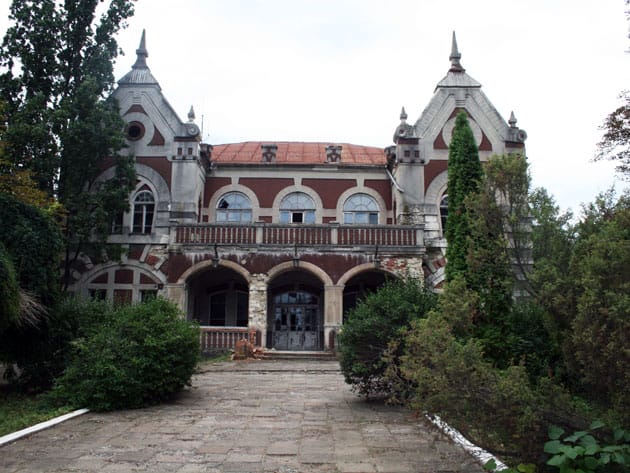
Taul Park and Pommer Manor – the grand manor home of Ivan Pommer, which was constructed at the start of the 20th century, is located inside the park. It is a monument to landscape design and was held in high regard at the time.

flickr

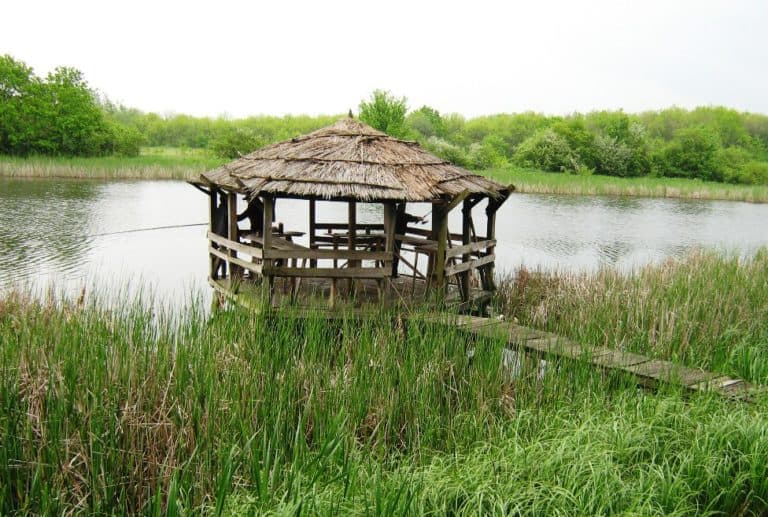
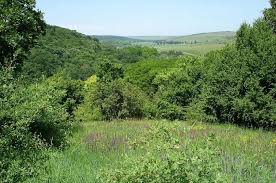
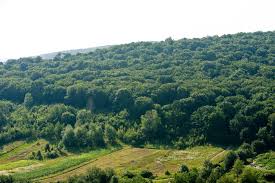
Padurea Domneasca – the numerous bird species, most notably the herons that breed close to the river, will delight nature lovers. Explore the region known as “One Hundred Hills,” a rolling knoll landscape whose formation is unknown.

flickr

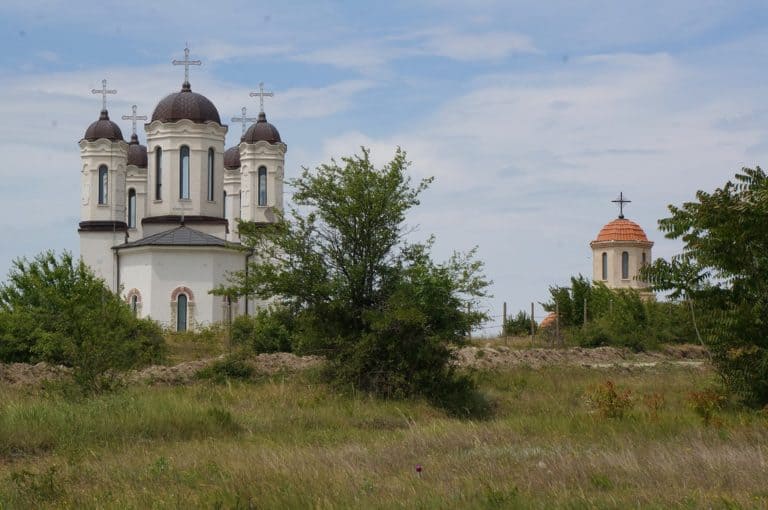
Manastirea Curchi – the title of most attractive monastery in all of Moldova goes to this one. Five churches, a refectory, a number of abbeys, and monk cells make up the complex. The Bessarabian architectural style is what gives it its beauty.

flickr

Kvint – at the gate to the Kvint factory, you may buy a bottle of some of the top cognac in Europe. Since 1897, this location has produced high-quality cognac, and even street merchants will give you a good deal.

flickr

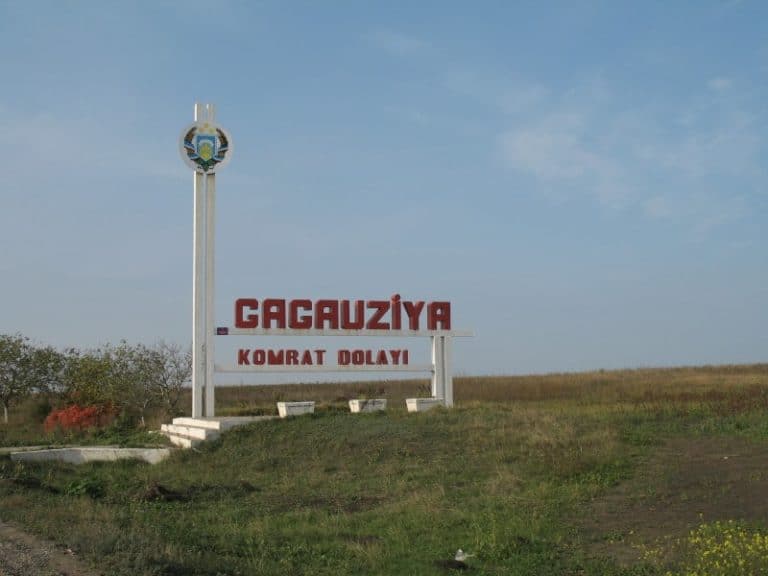
Gagauzia – three towns and 27 villages make up the independent, non-contiguous area of Gagauzia. Although the majority of the population is Christian, the culture and heritage of this region are heavily impacted by Turkey. The people here are descendants from Muslim refugees who fled violence and sought safety in this region.

flickr

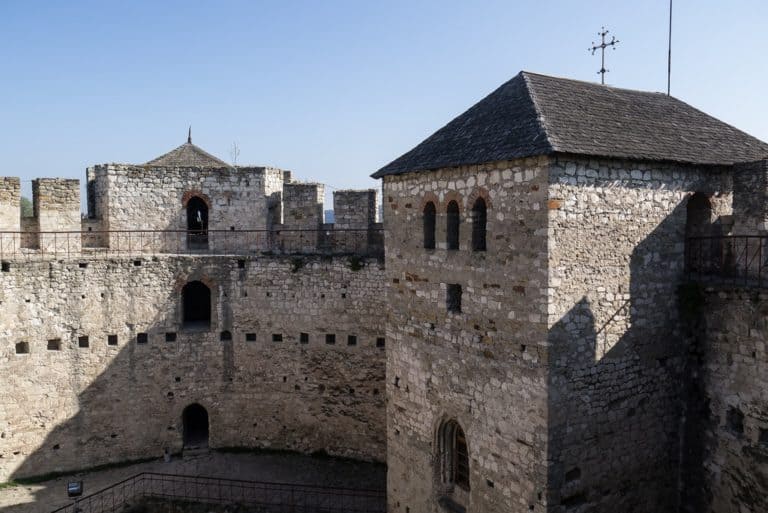
Soroca – The highlight is Soroca Fortress, one of a string of fortified castles constructed by rulers as early as the 14th century to defend their territory from attackers. Soroca is the unofficial capital of the Roma due to the size of the local Roma population.

flickr

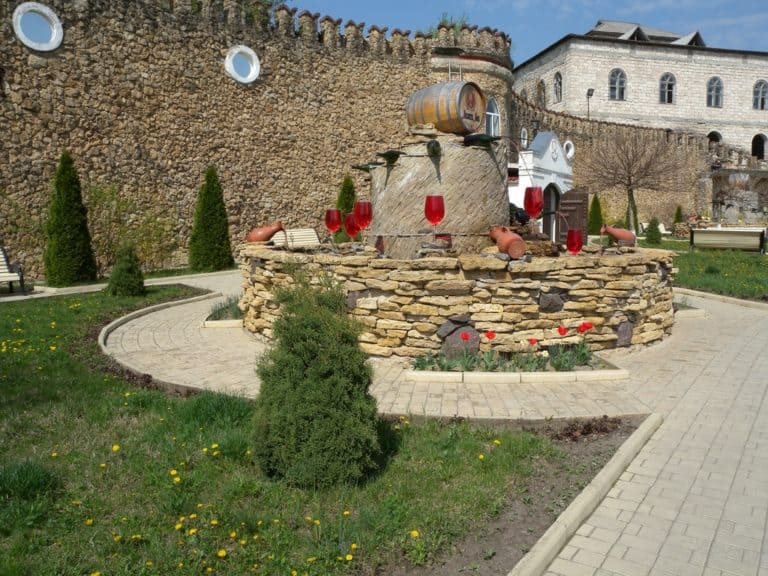
Cricova Winery – the world’s second-largest underground winery is undoubtedly worth visiting. Since the 15th century, when the limestone was taken out to build Chisinau, there have been 120 kilometers of intricate above-ground roads and a sophisticated underground tunnel network.

flickr

Codru Monastery – on the reserve, there is a natural history museum that is interesting to visit in between unguided or guided treks. You’ll adore this popular reserve’s sensation of open space.

flickr

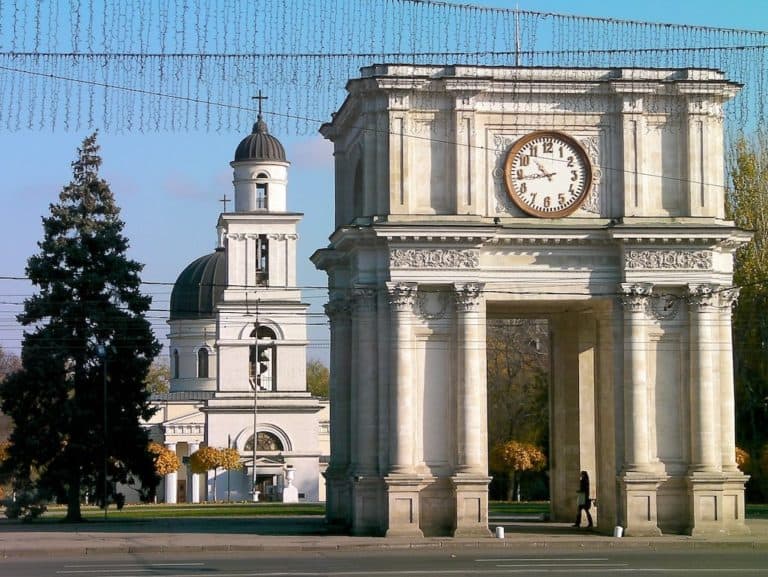
Chisinau – The largest city and capital of Moldova is this welcoming and contemporary location. There are many parks, open spaces, and historic structures in Chisinau. It has the airy impression of a city. Restaurants, art galleries, nightclubs, spas, and casinos abound as well.

flickr

Saharna – visitors frequently express a desire to return to this small village. In addition to the Holy Trinity Monastery, the area is surrounded by stunning natural splendor. After only a short while in the area you are enveloped in solitude and peace.

flickr

Capriana Monastery – it was restored in 1989 as a symbol of the country’s rebirth and houses the largest convent library in the nation. While you’re there, you may stop over in the neighborhood to see the Stefan the Great oak tree and Codru, the nation’s first nature preserved.

flickr

Bendery – one of Transdniestr’s three cities, is Tiraspol’s greener and more aesthetically beautiful rival. The city itself is amiable and enjoyable, despite the bullet holes that are still visible from the civil war with Moldova.

flickr

MUSIC IN MOLDOVA

Romania, Moldova’s neighbor and cultural sibling, has strong musical ties to Moldova. Moldovan folk music is distinguished by its quick, intricate rhythms (a trait shared with many Eastern European traditions), musical improvisation, syncopation, and extensive embellishment of the melody. Moldavia also has its own followers of pop, hip hop, rock, and other contemporary genres. O-Zone, a Romanian and Moldovan band whose song “Dragostea din tei” was a significant European hit in 2004, guitarist and songwriter Vladimir Pogrebniuc, Natalia Barbu, a well-known singer in Germany, Romania, and Ukraine, and Nelly Ciobanu are examples of contemporary pop singers. In the 1970s, the band Flacai gained popularity throughout Moldova, transforming their city of Cahul into a significant musical hub.

Some musicians in Moldova include:

Mark Stam

google

Cleopatra Stratan

google

Some art work in Moldova include:

artmajeur
fineartamerica
artmajeur
saatchiart
saatchiart
google

MEALS IN MOLDOVA

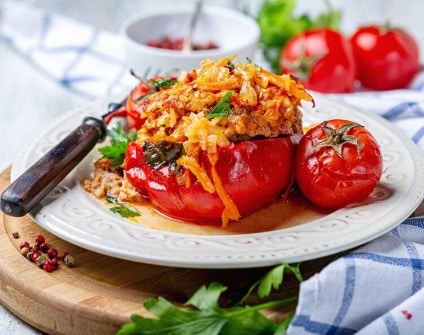
Ardei Umpluți – it is made by stuffing bell pepper with a mixture of rice, vegetables and meat, then served with sour cream.

Pârjoale – a meatballs made from minced pork and beef, either lamb or chicken.

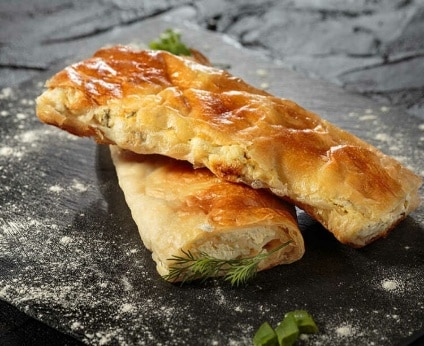
Plăcinte – a popular and well-loved dessert in Moldova.

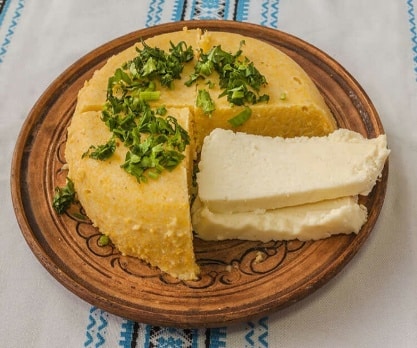
Mămăligă – a traditional Romanian porridge that is also popular in Moldova.

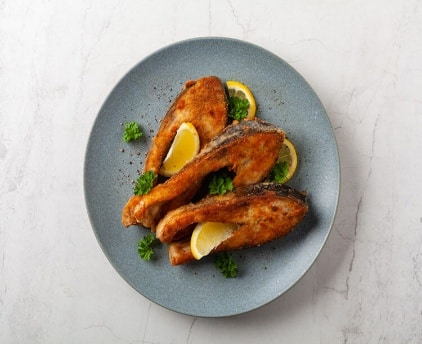
Pește Prăjit – a seafood in Moldova that is deep-fried.

Chiftele – this meal is similar to Pârjoale but it deep-fried meatballs.

Ardei Umpluți

Lacademie

Pârjoale

lacademie

Plăcinte

lacademie

Mămăligă

lacademie

Pește Prăjit

lacademie

Chiftele

lacademie

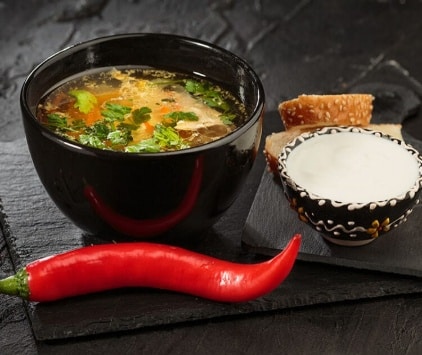
Zeamă – it is the most served lunch in Moldova. It is usually served with some cornbread or sour cream.

Răcitura – it is usually made from turkey or chicken meat.

Sarmale – it is made by wrapping minced meat, rice and herbs in a cabbage leaf.

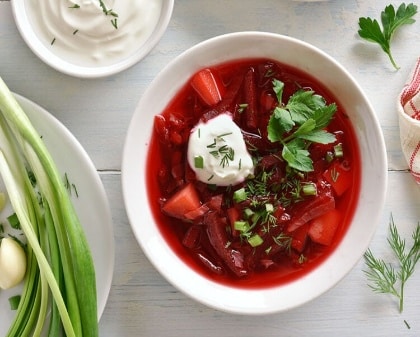
Bors – this is a Moldovan beetroot soup. it is also known as Borscht.

Salată de Boeuf – this is Moldovan salad just like other salad.

Tochitură – this is small cubes of pork cooked over low heat, making them more tender and flavourful.

Zeamă

lacademie

Răcitura

lacademie

Sarmale

lacademie

Bors

lacademie

Salată de Boeuf

lacademie

Tochitură

lacademie

ENVIRONMENTAL CONSERVATION AND HABITAT PROTECTION IN MOLDOVA

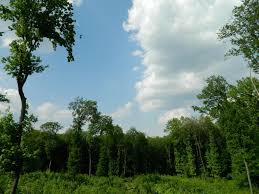
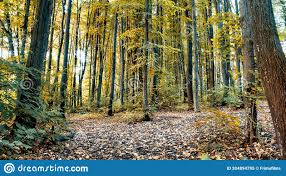
11.7%, or around 386,000 acres, of Moldova is wooded, according to the United Nations Food and Agricultural Organization. 2000 acres of woodland had been planted in Moldova.

Forest Cover Change: From 1990 to 2010, Moldova lost 3,350 ha, or 1.05%, on average. In all, Moldova added 67,000 ha, or 21.0%, of its forest cover between 1990 and 2010.

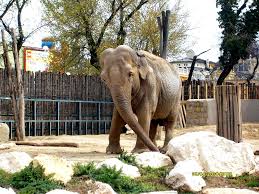
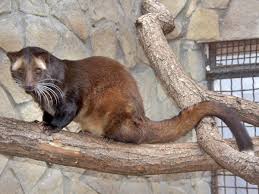
29 million metric tons of carbon are found in the live biomass of the forests of Moldova. According to data from the World Conservation Monitoring Center, Moldova, the country has about 279 recognized species of amphibians, birds, mammals, and reptiles. 4.7% of them are in danger, and 0.0% of them are endemic, meaning they only exist in their native nation. There are at least 1752 species of vascular plants in Moldova, Republic of. IUCN classifications I to V preserve 1.4% of Moldova, Republic.

euneighbourseast
alamy
enpifleg
dreamstime
traveltriangle
euneighbourseast
dumitrubrinzan
moldova
itinari
moldova

EFFECT OF CLIMATE CHANGE IN MOLDOVA

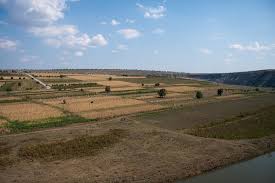
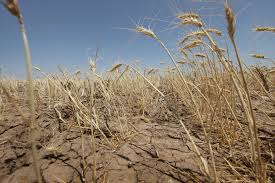
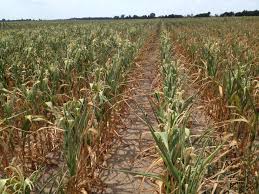
The important economic sector of agriculture, which primarily affects rural residents, is projected to be disproportionately affected by the devastating consequences of climate change. According to information from the UN’s Joint Country Analysis, 57% of Moldovans rely heavily on agriculture for both food and money.

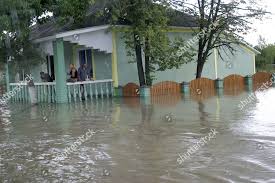
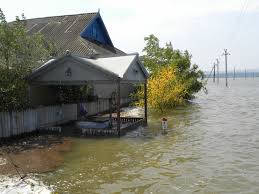
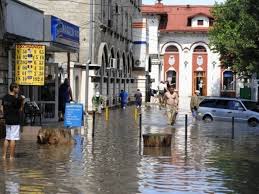
One of the worst droughts to afflict Moldova in the last 20 years struck the country in 2020, leading to a nearly 30% decline in agricultural output and substantial economic ripple effects. The growth trajectory of Moldova could also be greatly impacted by other natural disasters, such as earthquakes and floods, which would disproportionately affect the low and vulnerable income groups. The hydrometeorological dangers in Moldova are predicted to worsen in intensity and impact as a result of climate change. Although Moldova has started to improve its institutional frameworks for disaster and climate resilience, more work needs to be done to increase the nation’s resilience to the shocks and stressors it confronts, particularly the type that occurred during the COVID-19 pandemic.
publikamd
shutterstock
shutterstock
climatekic
climatechangepost
moldpres
facebook
foodnavigator
globallybrave
newserr

GENDER EQUALITY IN MOLDOVA

As a result of ratifying the Convention on the Elimination of All Forms of Discrimination Against Women and several other ILO Conventions, Moldova is actively involved in a number of international and national initiatives to advance gender equality and women’s empowerment.

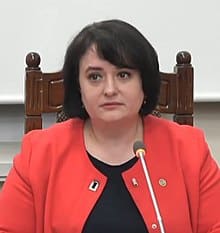
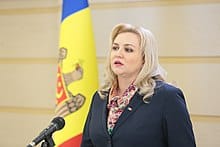
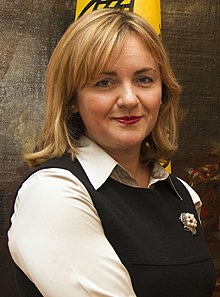
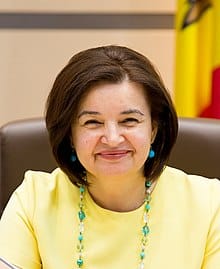
Some prominent women in Moldova include:

Ana Revenco – Moldovan politician who is serving as Minister of Internal Affairs.
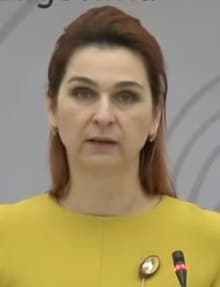
Viorica Dumbrăveanu – Moldovan politician who served as Minister of Heath, Labour and Social Protection.

Violeta Ivanov – Moldovan politician who is currently serving as Member of Parliament in Moldova.

Ruxanda Glavan – Moldovan politician who served as Minister of Health and other ministerial positions in Moldova.

Ana Revenco

wikipedia

Viorica Dumbrăveanu

wikipedia

Violeta Ivanov

wikipedia

Ruxanda Glavan

wikipedia

Natalia Gherman – Moldovan politician who served a Minister of Foreign Affairs and European Integration, as well as Deputy Prime Minster.

Monica Babuc – a  politician and historian from Moldova who served as Minister of Culture.

Mala Sandu – Moldovan politician who became President of Moldova since december 2020.

Liliana Nicolaescu-Onofrei – Moldovan poltician and Minister of Education, Culture and Research.

Natalia Gherman

wordpress

Monica Babuc

wikipedia

Mala Sandu

wikipedia

Liliana Nicolaescu-Onofrei

wikipedia

Leave a Reply

Your email address will not be published. Required fields are marked *

Keep reading...